






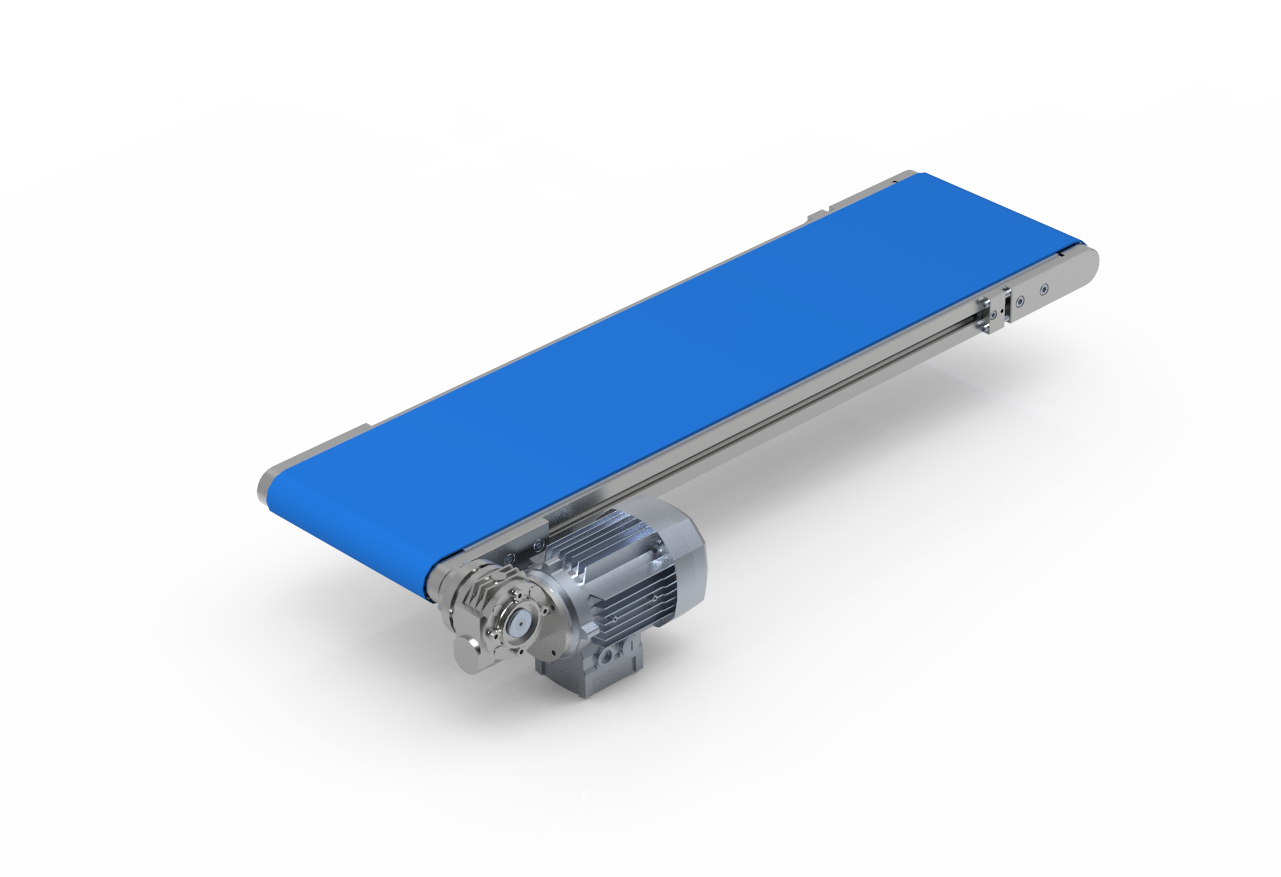
 TB30: This version is designed for transporting cargo up to 5 kg, making it suitable for smaller, lighter objects.
TB45: This version is designed for transporting weights up to 30 kg, providing greater capacity compared to TB30.
TB90: This version is designed for transporting cargo up to 90 kg and it is the most robust option among the mentioned belt conveyors.
 Belt conveyors with a central drive have a distinct advantage in operating bidirectionally due to their specially designed drive construction. This design ensures a smooth and efficient two-way functionality, eliminating potential problems associated with changing of the transport direction.
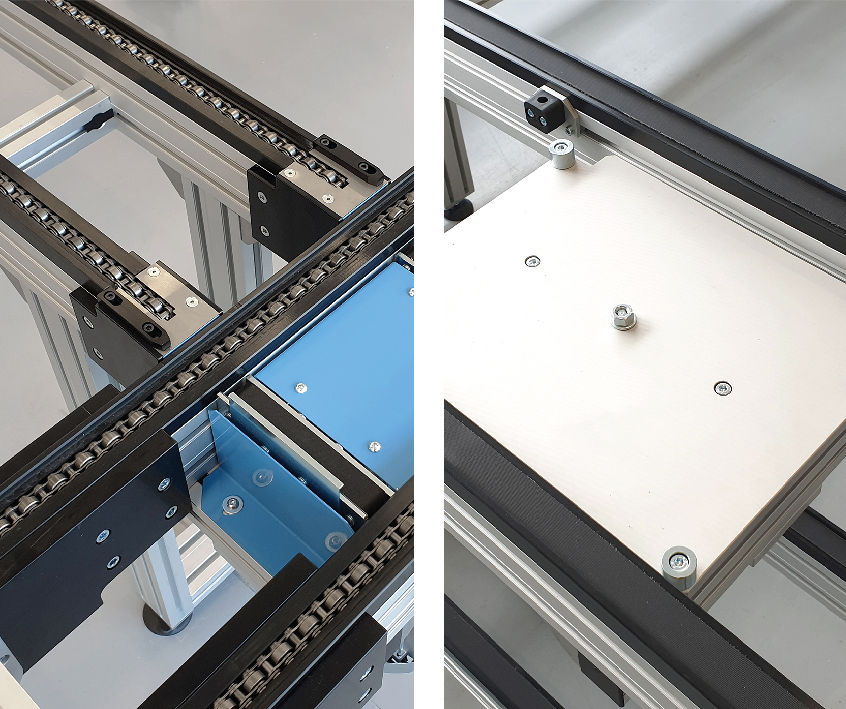
Transport systems:
Transport systems that use belt or chain have the ability to operate in both directions, but this functionality is only possible when using a light drive or a central drive assembly. The PSR transport system, which utilizes rollers driven by a chain or belt, allows bidirectional operation when using the 17RDMM motorized electric roller drive or a 17RDMH central drive. Transport systems do not have specific limitations for bidirectional transport except using a correct drive, but it is important to consider catalogue information regarding loads and velocities.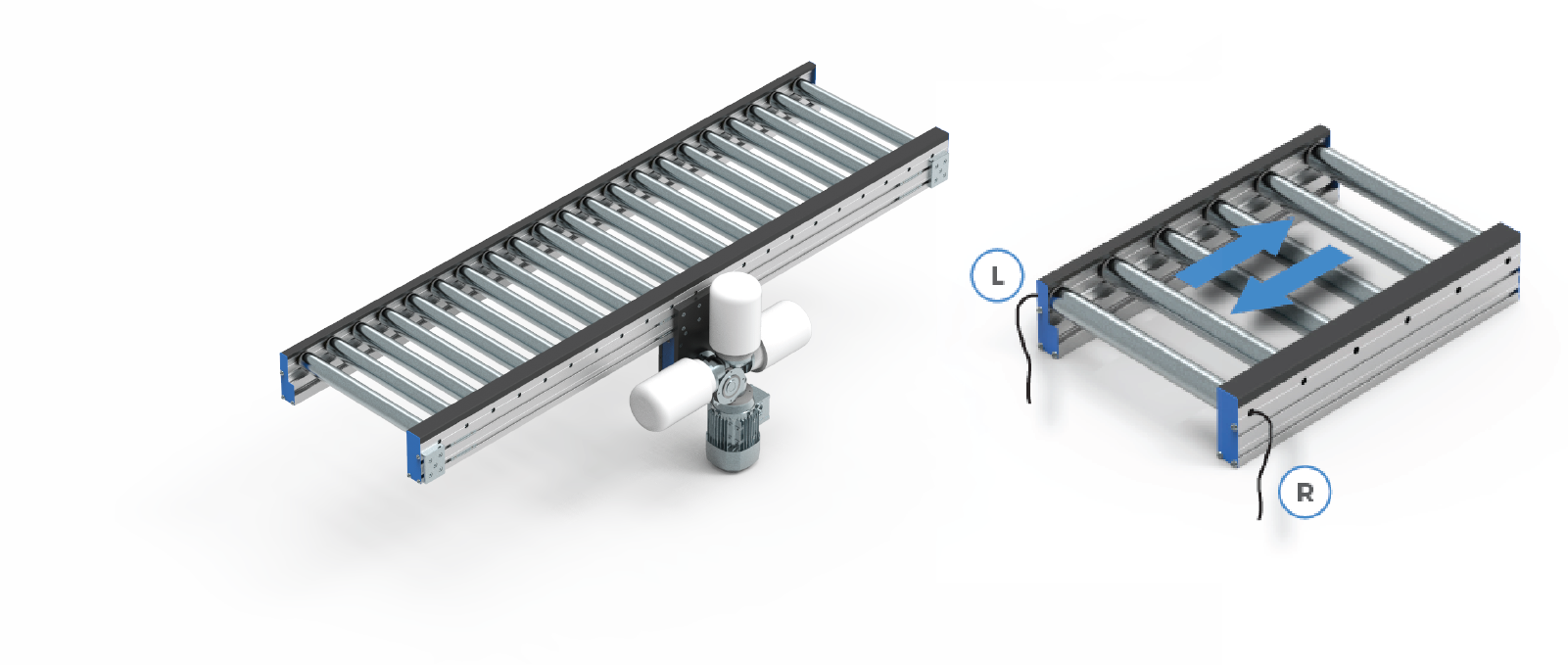
Aus unserem LinkedIn-Netzwerk

AKTUELLE LÖSUNG AUS DER PRAXIS
Unterschiedliche Fördererkonstruktionen und ihre Effizienz
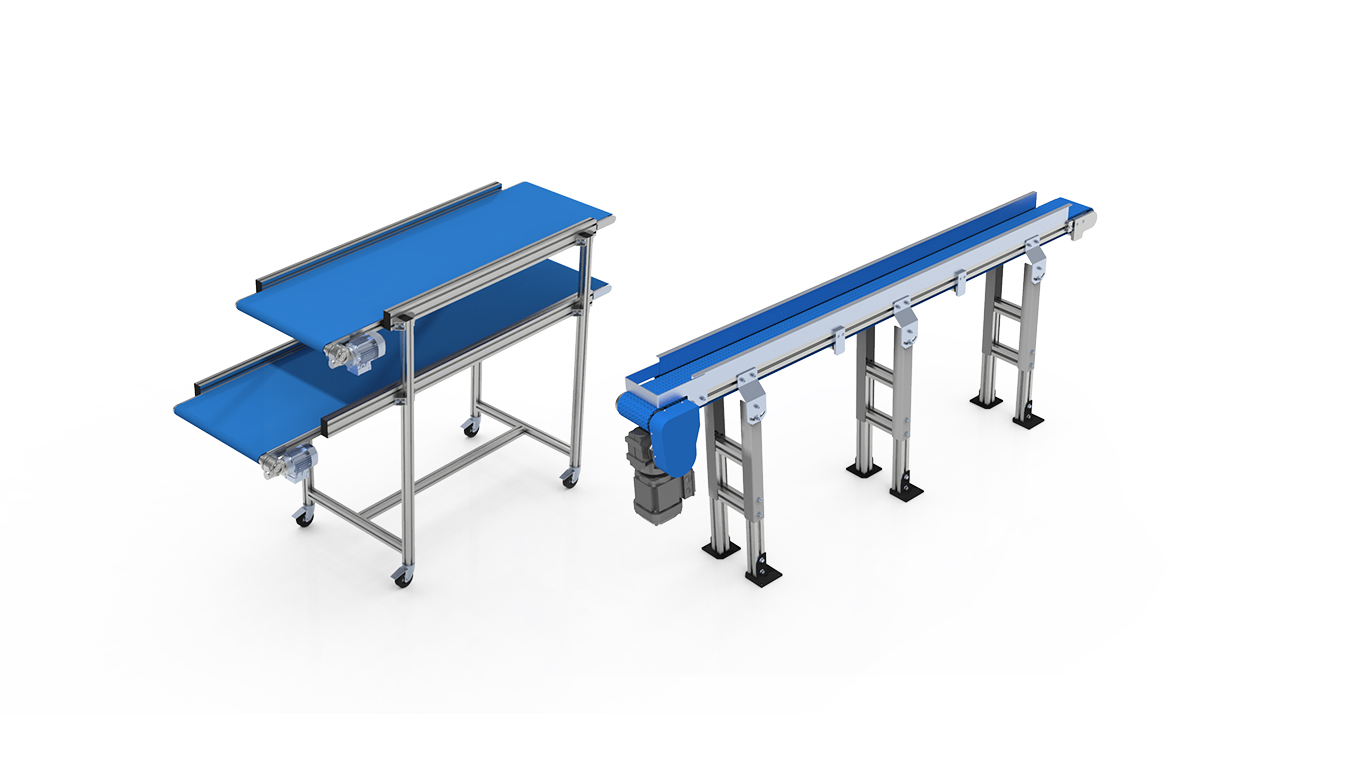
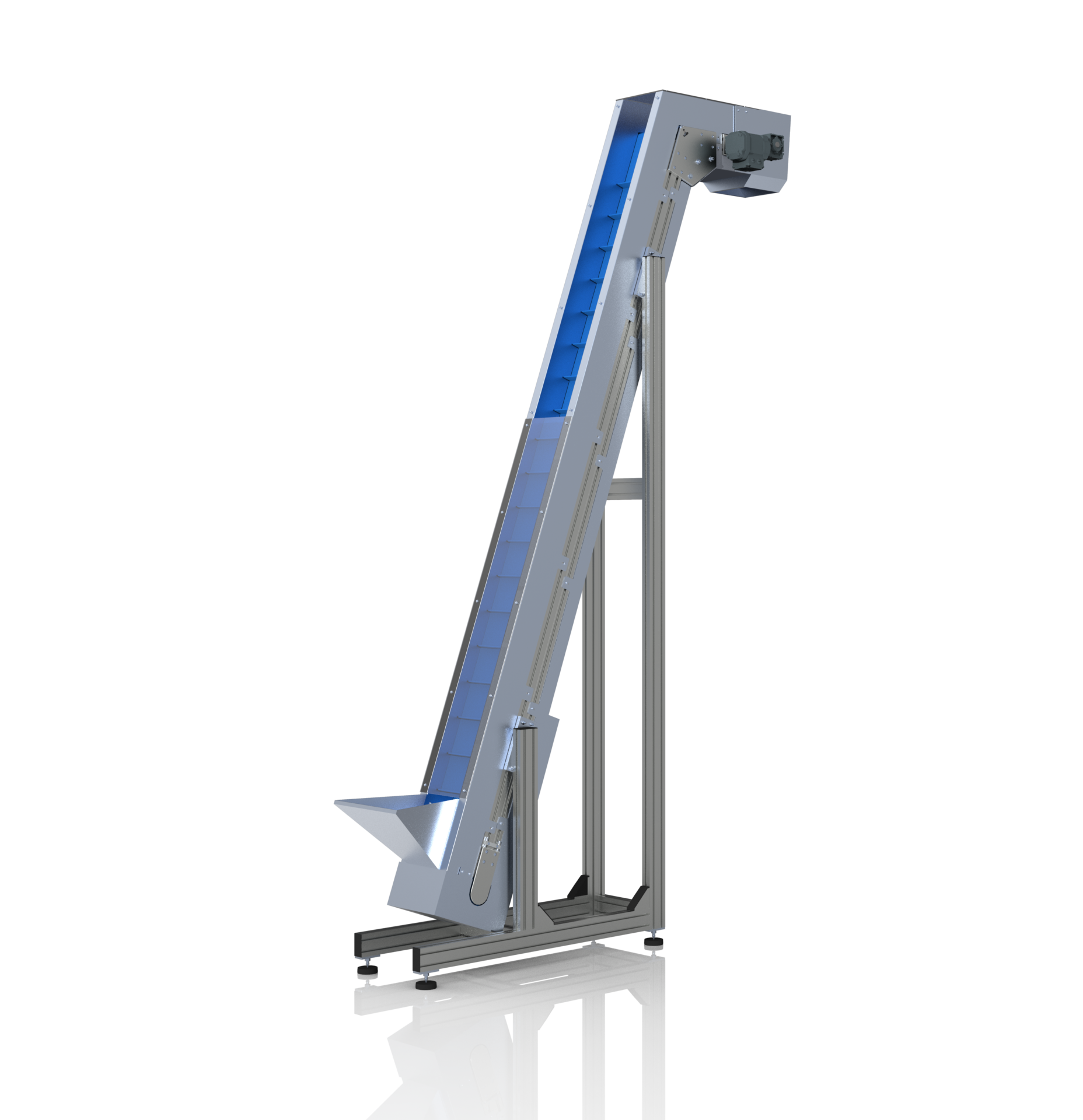
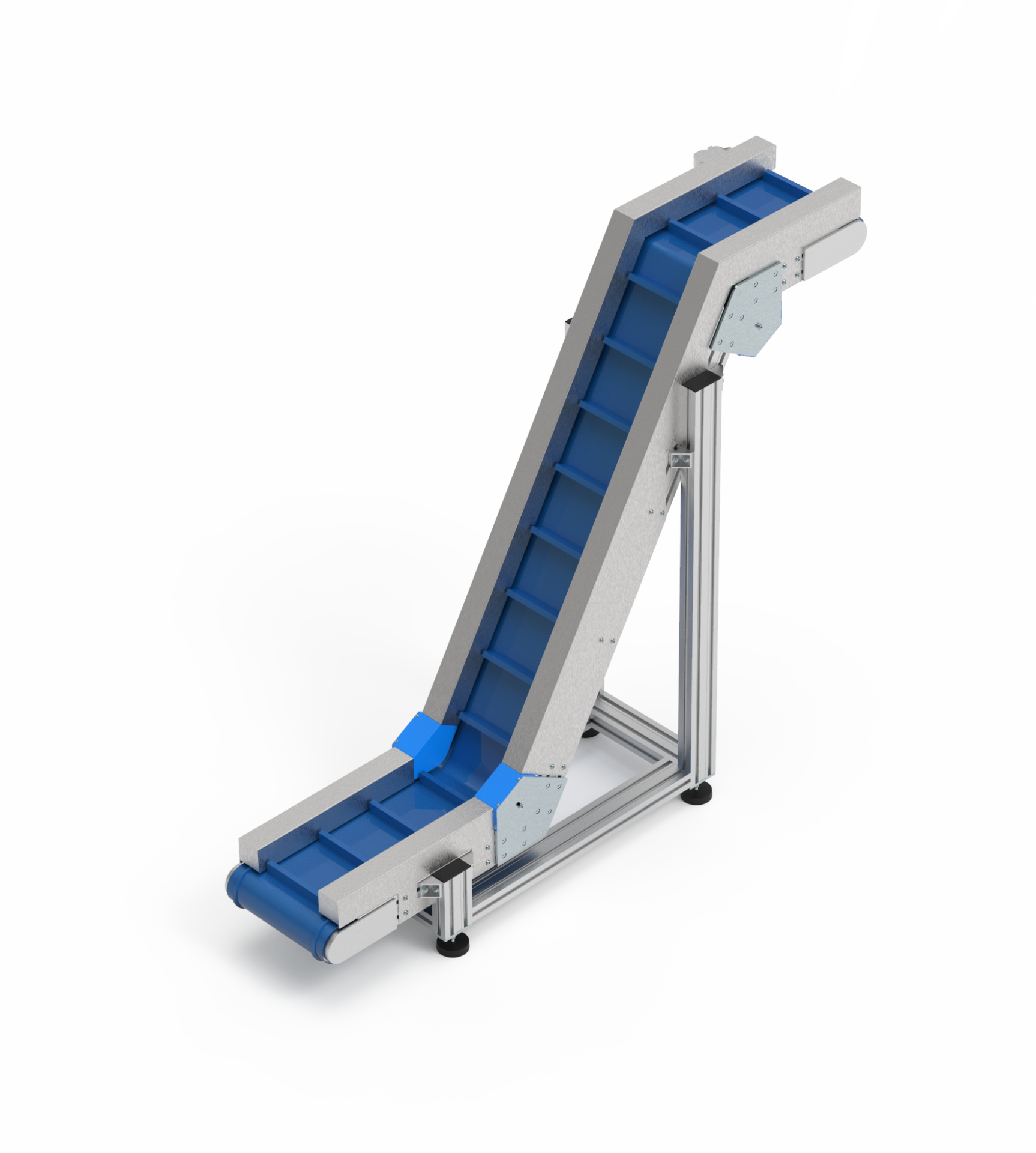
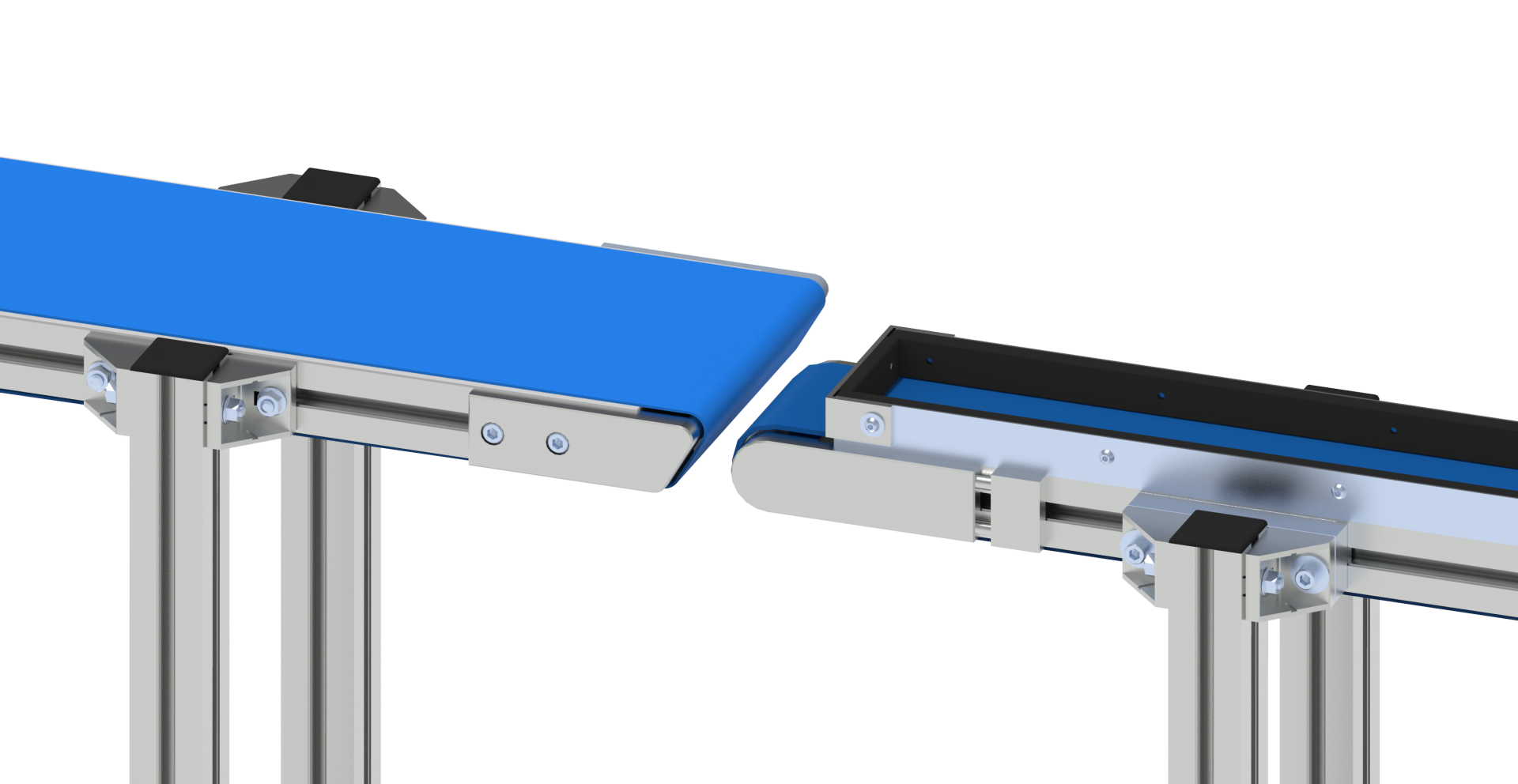
Conveyor systems form the backbone of material handling in diverse industries, and the choice of conveyor design is critical in optimizing workflow. This article delves into the characteristics, advantages, and customization options of straight conveyors, L-shaped conveyors, and the unique Z-shaped conveyors, which incorporate an additional straight section on the second elevation. STRAIGHT CONVEYOR: Usability: […]
NEWSLETTER
Bleiben Sie in der Automatisierung immer auf dem neuesten Stand
Erhalten Sie bewährte Lösungen, Praxisbeispiele und konkrete Verbesserungen aus der Praxis von Lipro. Unsere Inhalte basieren auf realen Projekten und Erfahrungen aus der Industrie und helfen Unternehmen dabei, Prozesse zu optimieren, Kosten zu senken und die Effizienz zu steigern.
Newsletter
